
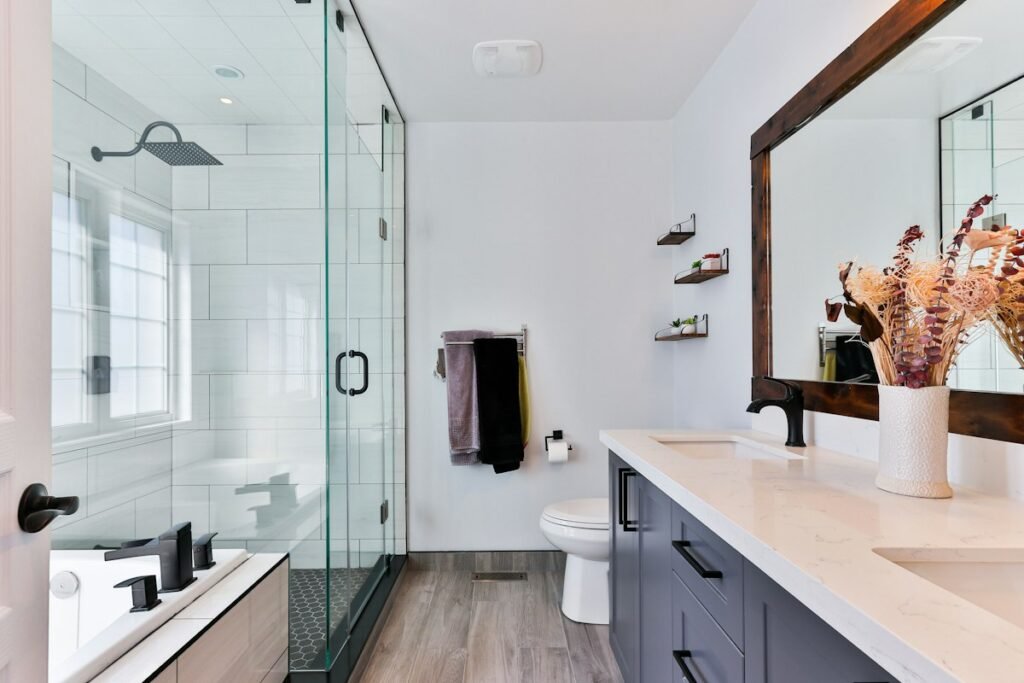
Eliminating silverfish (Lepisma saccharina) and firebrats from UK domestic bathrooms, kitchens, basements, and commercial archives requires an integrated environmental strategy that combines relative humidity control, targeted desiccant dusts, and professional residual biocides. While homeowners frequently purchase consumer aerosol sprays to kill visible silverfish scurrying across bathroom tiles, chemical surface sprays fail to solve the underlying environmental conditions that sustain the infestation. Silverfish require sustained ambient relative humidity levels above 75% to prevent desiccation and reproduce; without addressing underlying plumbing leaks, condensation, and poor subfloor ventilation, chemical treatments provide only short-lived, superficial relief.
In high-density Victorian terraces and modern airtight apartments across Walthamstow, Hackney, and Greater London, poor mechanical extraction ventilation and indoor clothes drying create humid microclimates where silverfish colonies flourish undisturbed behind skirting boards, under bath panels, and beneath vinyl flooring. Silverfish feed on polysaccharides, starches, and dextrin glues, causing irreversible damage to antique wallpaper, book bindings, valuable tax documents, and natural textile collections. Combining commercial dehumidification with pharmaceutical-grade amorphous silica and precision gel baiting guarantees complete eradication. Explore our comprehensive pest inspection surveys and review our transparent pricing FAQ for professional assistance.
Key Takeaways & Summary
- The 75% Relative Humidity Threshold: Silverfish cannot survive or reproduce in indoor environments where ambient relative humidity is maintained below 50% to 55%.
- Amorphous Silica Superiority: Microscopic amorphous silica dust scratches the insect’s protective waxy cuticle, causing terminal dehydration without risk of chemical resistance.
- Starch & Cellulose Destruction: Silverfish digest dextrin adhesives and starch, ruining wallpaper seams, historical archives, museum books, and linen textiles.
- Plumbing Leak Indicators: The sudden appearance of dense silverfish clusters is often the first visible symptom of a hidden subfloor water leak or decaying bath seal.
Silverfish Anatomy, Primitive Ecology & Moisture Physiology
To eradicate silverfish permanently, one must understand their evolutionary resilience, dietary preferences, and delicate moisture physiology:
- Primitive Nocturnal Physiology: Silverfish (Lepisma saccharina) are ancient, wingless insects belonging to the order Zygentoma. Their silvery, light-reflecting scales and rapid, fish-like lateral undulating movements give them their common name. They are strictly nocturnal and exhibit extreme negative phototaxis, scurrying into dark cracks within milliseconds of lights turning on.
- Extreme Longevity and Starvation Tolerance: Unlike many domestic insects that live for only weeks, adult silverfish live for 3 to 8 years and can survive for up to 300 days without food if moisture is accessible. Female silverfish lay up to 100 eggs in structural crevices during their lifetime, with nymphs molting dozens of times as they mature.
- Cellulose and Polysaccharide Digestion: Silverfish possess specialized digestive cellulase enzymes that allow them to digest pure cellulose, starch, and carbohydrate adhesives. They feed voraciously on bookbinding paste, wallpaper paste, plaster sizing, cardboard boxes, starched cotton garments, and sugar residues.
- Desiccation Vulnerability: Silverfish absorb ambient atmospheric moisture directly through specialized cuticular tissues. When indoor relative humidity drops below 50%, their respiratory and cuticular systems dehydrate rapidly, causing natural population collapse within weeks.
Comprehensive Comparison Table
| Silverfish Treatment Solution | Operational Mechanism | Residual Lifespan | Toxicity Profile | Best Application Zone |
|---|---|---|---|---|
| Mechanical Dehumidification (<50% RH) | Lowers ambient atmospheric moisture | Continuous environmental control | Zero toxicity (Non-chemical) | Bathrooms, cellars, drying rooms |
| Amorphous Silica / Diatomaceous Earth | Physical cuticular lipid scratching | Permanent (Until wet or vacuumed) | Zero chemical toxicity | Under bath panels, floorboard voids, skirting |
| Indoxacarb Gel Baits (Advion) | Non-repellent metabolic toxicant | 30 to 60 days residual | Low toxicity micro-droplets | Pantry shelves, boiler cupboards, bookcases |
| Micro-Encapsulated Surface Sprays | Synthetic pyrethroid contact kill | 6 to 12 weeks residual | HSE regulated pesticide | Perimeter tile edges, external plumbing pipes |
| Supermarket Aerosol Sprays (Raid) | Fast knockdown surface pyrethroid | A few hours only | High airborne VOC solvents | Not Recommended / Superficial Kill Only |
Detailed Review: Top Methods for Domestic Silverfish Eradication
1. Commercial Dehumidification & Ventilation Control
The single most powerful, permanent weapon against silverfish is reducing indoor atmospheric humidity. In unventilated UK properties, steam from hot showers and indoor laundry drying easily pushes ambient relative humidity above 80%, providing ideal conditions for silverfish reproduction and egg incubation.
Homeowners must deploy compressor-driven refrigeration dehumidifiers to lower relative humidity to a steady 45% to 50%. Upgrading bathroom extractor fans to continuous-running humidistat models conforming to Building Regulations Part F ensures moist air is exhausted before it penetrates floorboards and plasterboard partitions. Maintaining indoor humidity below 50% for 30 consecutive days fatally disrupts the silverfish lifecycle, dehydrating adult cuticles and preventing unhatched eggs from developing into nymphs.
2. Pharmaceutical-Grade Amorphous Silica & Diatomaceous Earth
Amorphous silica dust is a non-toxic mechanical desiccant that outperforms chemical insecticide sprays in dry void spaces. Applied via a precision bellows powder duster, the microscopic dust particles adhere to the silverfish’s waxy exoskeleton as it crawls across treated voids.
The silica particles absorb the protective cuticular waxes and lipids, causing the insect’s internal body fluids to evaporate rapidly, resulting in terminal dehydration within 24 to 48 hours. Because amorphous silica operates mechanically rather than chemically, silverfish cannot develop genetic resistance, providing permanent protection inside undisturbed wall voids, beneath bath surrounds, and along suspended floorboards.
3. Professional Indoxacarb & Borate Gel Baiting
While silverfish were historically treated exclusively with broad-spectrum sprays, modern integrated pest management utilizes carbohydrate-rich gel baits. Syngenta’s Advion Gel bait formulations containing indoxacarb are exceptionally attractive to silverfish seeking sugars and starches.
Technicians apply micro-droplets of gel bait behind bookcase plinths, inside boiler housing cupboards, and beneath kitchen vanity units. Silverfish feed on the palatable carbohydrate matrix and die, eliminating colonies hidden deep within library shelving and archive cabinets.
4. Subfloor & Plumbing Void Leak Remediation
In over 60% of domestic silverfish infestations, the root cause is an undiagnosed plumbing defect. A dripping waste pipe connection under a bath panel, a slow weep from a washing machine hose, or failing silicone sealant around a shower tray introduces continuous moisture to timber floorboards.
Certified pest controllers use prong moisture meters and endoscopic cameras to locate hidden damp zones, coordinating plumbing repairs and replacing moisture-rotted timbers to eliminate the colony’s primary water source.
5. High-Tack Pheromone Monitoring Traps
Non-toxic adhesive monitoring boxes featuring carbohydrate and protein attractants provide essential diagnostic data. Placed along skirting boards and beneath sinks, these traps capture silverfish, allowing technicians to map the exact geographic distribution of the infestation across multi-story buildings and confirm eradication success post-treatment.
Material Damage to Books, Antiques, Wallpaper & Foodstuffs
While silverfish do not bite humans or transmit biological diseases, their presence causes extensive material and financial damage:
- Destruction of Antique Books & Archives: Silverfish feed on the starch sizing of paper and dextrin bookbinding paste, gouging irregular holes across valuable book pages, historical documents, and art prints.
- Wallpaper Peeling & Plaster Etching: Silverfish chew through the starch paste behind wallpaper seams, causing expensive decorative papers to bubble, peel, and fall from walls.
- Pantry Food Contamination: Foraging silverfish infiltrate open bags of flour, oats, dried pasta, and sugar, depositing scales, cast skins, and feces that spoil pantry stores.
- Textile Damage to Wool and Cotton: Starched cotton fabrics, linen tablecloths, and silk garments stored in damp wardrobe drawers suffer irregular chewed holes and yellow staining from silverfish secretions.
Step-by-Step Silverfish Elimination Masterplan
Step 1: Audit Moisture Levels with an Electronic Moisture Meter
Inspect bathrooms, kitchens, and basements using an electronic prong moisture meter. Check beneath bath panels, around toilet pedestals, and under sinks to identify hidden plumbing leaks or damp floorboards.
Step 2: Reduce Ambient Relative Humidity Below 50%
Deploy a heavy-duty electric compressor dehumidifier in damp rooms, run extractor fans during and after showers, and avoid drying wet laundry on indoor radiators.
Step 3: Apply Amorphous Silica Dust into Structural Crevices
Puff pharmaceutical-grade amorphous silica or food-grade diatomaceous earth under bath panels, behind kitchen kickboards, and along skirting board cracks using a powder duster.
Step 4: Store Paper Archives and Dry Pantry Goods in Sealed Tubs
Transfer valuable book collections, family photographs, and dry pantry staples (flour, cereals, rice) into rigid plastic storage boxes with airtight rubber seals.
Step 5: Seal Structural Crevices and Gaps with Silicone Mastic
Once insect catches drop to zero, seal all cracks around tiles, skirting boards, pipe penetrations, and bath surrounds using waterproof anti-fungal silicone sealant. Discover our pest proofing services.
UK Legal Framework, Environmental Regulations & British Standards
Domestic silverfish management in the United Kingdom intersects with housing standards, public health, and biocidal regulations. Under the Homes (Fitness for Human Habitation) Act 2018 and the Housing Act 2004, residential rental properties must be maintained free from dampness, condensation, and vermin hazards. Persistent, severe silverfish infestations resulting from penetrating damp, leaking landlord plumbing, or inadequate structural ventilation constitute a Category 1 or Category 2 hazard under the Housing Health and Safety Rating System (HHSRS).
Under Section 11 of the Landlord and Tenant Act 1985, property owners hold an absolute legal obligation to keep the structure, exterior, and sanitation fittings of the dwelling in good repair. Local council Environmental Health Officers have statutory powers to serve legally binding Improvement Notices requiring private landlords to repair leaking pipework, replace water-damaged timbers, install mechanical extractor fans conforming to Building Regulations Part F, and commission professional pest eradication. All chemical insecticides used for silverfish control must strictly comply with Health and Safety Executive (HSE) Biocidal Products Regulations and COSHH assessments. Professional technical standards are governed by the British Pest Control Association (BPCA).
10 Costly Mistakes to Avoid
- Spraying Supermarket Aerosols Without Fixing Humidity: Retail sprays kill visible surface bugs but leave high humidity intact, allowing thousands of nymphs to hatch behind walls.
- Drying Wet Clothes Indoors on Radiators: Drying laundry on radiators releases gallons of moisture into room air, driving relative humidity above 80% and feeding silverfish.
- Storing Paper Archives in Cardboard Boxes on Cellar Floors: Cardboard absorbs ground moisture and provides endless starch for silverfish; archives must be stored in airtight plastic tubs.
- Overlooking Leaking Bath Panels and Shower Trays: Failing to check for slow plumbing leaks behind bath panels leaves a continuous water reservoir that sustains colonies for years.
- Using Ineffective Ultrasonic Pest Repellers: Ultrasonic sound waves have zero effect on silverfish, wasting money while insects continue destroying wallpaper and documents.
- Leaving Bathroom Extractor Fans Turned Off: Turning off extraction allows steam to condense on walls, soaking plasterboard and creating prime silverfish harborages.
- Applying Diatomaceous Earth in Wet Puddles: DE powder loses its mechanical desiccant properties when wet; surfaces must be completely dry before powder application.
- Ignoring Kitchen Kickboards and White Goods: Silverfish congregate under warm dishwashers and refrigerators where food crumbs and motor condensation accumulate.
- Failing to Seal Skirting Board Gaps After Eradication: Leaving floorboard gaps unsealed provides easy passageways for insects to travel between rooms and wall cavities.
- Delaying Professional Intervention in Historic Archives: Waiting to treat commercial archives or library collections leads to irreversible loss of valuable antique paper assets.
Frequently Asked Questions
What is the single best way to get rid of silverfish permanently?
Lower indoor relative humidity below 50% using a compressor dehumidifier and improved bathroom ventilation, combined with puffing pharmaceutical-grade amorphous silica dust behind skirting boards, under bath panels, and inside floorboard voids.
Do silverfish bite humans or transmit diseases?
No. Silverfish do not have mouthparts capable of puncturing human skin, and they are not biological vectors of human pathogens. However, they contaminate food with cast skins and feces, and their shed scales can trigger allergic reactions in sensitive individuals.
Why do silverfish keep appearing in my bathroom at night?
Bathrooms provide continuous moisture from showers, condensation on cold tiles, and dark harborages behind bath panels and skirting boards. Because silverfish are nocturnal and light-sensitive, they emerge only after dark to forage.
Can silverfish ruin books and wallpaper?
Yes. Silverfish possess digestive enzymes capable of breaking down cellulose, starch, and dextrin glues. They chew through wallpaper paste, bookbinding adhesives, photographs, and starched fabrics, leaving irregular holes and yellow staining.
How long can silverfish survive without food?
Adult silverfish are remarkably resilient and can survive for up to 300 days (almost a year) without food, provided they have access to ambient moisture and humidity.
Professional Solutions vs DIY: When to Call the Experts
If you are struggling with silverfish in your bathroom, kitchen, or library archives, surface sprays will never provide lasting relief without addressing underlying humidity and structural harborages. Permanent eradication requires targeted environmental control, moisture diagnostics, and professional desiccant barrier treatments.
At Pest Control Walthamstow, our BPCA-certified technicians specialize in diagnosing domestic damp issues, applying long-lasting amorphous silica treatments, and providing guaranteed structural proofing across London. Review our transparent pricing FAQ, learn more about our comprehensive pest inspection surveys, or request a free silverfish treatment quote today.