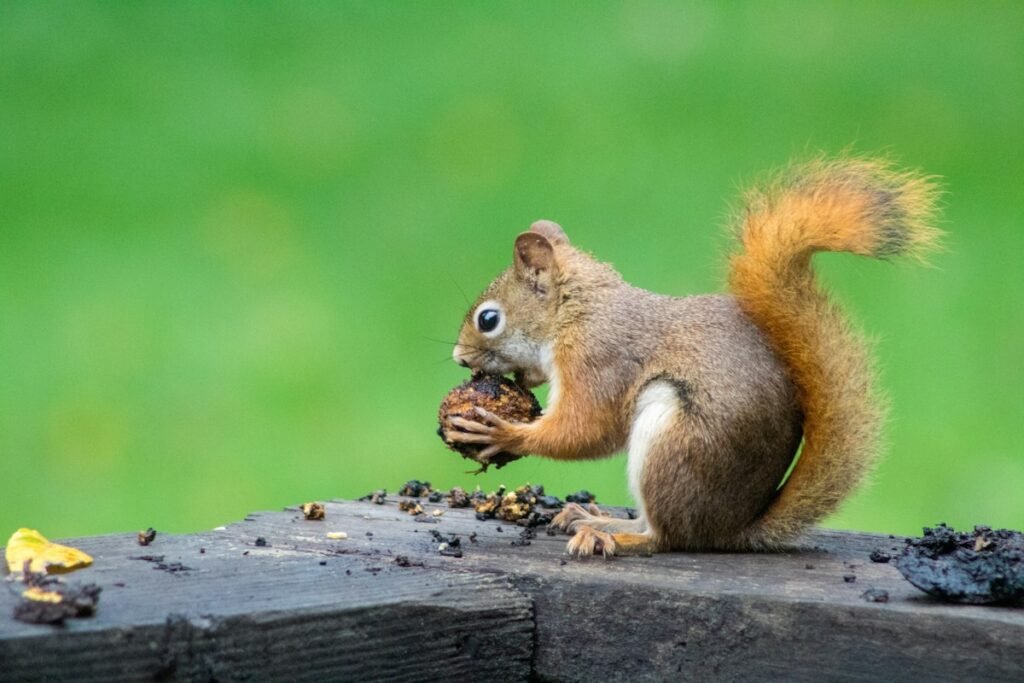
Deterring and eradicating invasive Eastern Grey Squirrels (Sciurus carolinensis) from UK domestic lofts, roof spaces, and garden outbuildings requires strict adherence to wildlife conservation law, heavy-duty mechanical exclusion proofing, and approved lethal trapping protocols. While grey squirrels appear charming in public parks, their entry into domestic roof spaces causes catastrophic structural damage. Possessing heavy, continuously growing incisors that exert over 22,000 pounds per square inch of pressure, a single squirrel can chew through structural softwood roof joists, rip fiberglass ceiling insulation to shredding for nesting material (dreys), gnaw through plastic cold-water storage tanks, and strip 240V domestic electrical wiring insulation, creating acute fire risks and ceiling flood collapses.
Across Walthamstow, Hackney, and Greater London, mature oak and chestnut trees provide arboreal highways that allow grey squirrels to leap effortlessly onto residential roofs, gnawing through decaying timber fascia boards, soffits, and lead valley flashing. Navigating squirrel eradication requires strict legal discipline: under Section 14 of the Wildlife and Countryside Act 1981, the grey squirrel is an invasive non-native species, making it a strict criminal offence to trap a grey squirrel and release it back into the wild. Combining heavy-duty 25mm 16-gauge galvanized steel mesh with certified lethal spring traps ensures legal, permanent eradication. Discover our specialized loft pest proofing guide and explore our dedicated pest proofing services today.
Key Takeaways & Summary
- The Section 14 Wildlife Act Mandate: Eastern grey squirrels are an invasive alien species; it is an illegal criminal offence to release a trapped grey squirrel into the wild or garden.
- Lethal Dispatch Obligation: Anyone using a live-catch cage trap for grey squirrels is legally required to humanely dispatch the animal on site immediately via cranial dispatch or captive bolt.
- Severe Electrical Fire Hazard: Squirrels gnaw through 240V domestic electrical cables in lofts to trim their incisors, causing an estimated 10% of unexplained domestic attic fires.
- Heavy-Gauge Mesh Exclusion: Plastic mesh and standard wire netting fail against squirrel teeth; structural exclusion requires 25mm (1-inch) 16-gauge hot-dipped galvanized weldmesh.
Grey Squirrel Morphology, Arboreal Ecology & Attic Nesting Habits
Understanding the physiological adaptations, nesting seasons, and biting power of the Eastern Grey Squirrel explains why attic invasions are so destructive:
- Incisor Morphology and Gnawing Compulsion: Grey squirrels possess four chisel-like incisor teeth reinforced with dense enamel that grow up to 15cm per year. To prevent their incisors from growing into their cranium, squirrels must gnaw relentlessly on hard materials: timber joists, lead flashing, PVC fascia boards, and copper electrical wiring.
- Biannual Breeding Cycles & Attic Dreys: Grey squirrels breed twice annually, producing spring litters (February to April) and summer litters (June to August) of 3 to 5 kits. Female squirrels seek elevated, warm, predator-free cavities to construct breeding nests (dreys), shredding fiberglass loft insulation and roofing felt into dense nesting mounds.
- Arboreal Agility and Roof Ingress: Squirrels can leap up to 3 metres horizontally and drop 5 metres vertically without injury. Overhanging tree branches and external telecommunication cables provide elevated highways onto roof pitches, where squirrels exploit rotting timber fascia boards or loose ridge tiles.
- Territorial Neophobia and Vocal Warnings: Squirrels establish localized breeding territories. When an attic nest is disturbed, adult squirrels produce sharp scolding barks and foot-stamping warnings, defending their kits vigorously against domestic pets.
Comprehensive Comparison Table
| Squirrel Management Method | UK Legal Compliance Rating | Mechanical Efficacy | Permanence of Solution | Approximate Cost |
|---|---|---|---|---|
| Heavy-Gauge Galvanized Weldmesh (16-gauge) | 100% Lawful Exclusion | Permanent (Stops 100% of ingress) | Permanent structural fix | £120.00 – £280.00 |
| Approved Spring Traps (Kania 2000 / Fenn Mk4) | Spring Traps Approval Order Compliant | Instantaneous Humane Kill | High (Removes active nesting adults) | £45.00 – £65.00 |
| Live-Catch Galvanized Cage Trap | Strict Welfare Obligation (Sec 14) | Requires on-site humane dispatch | Temporary (Must be paired with proofing) | £25.00 – £45.00 |
| Ultrasonic Plug-in Repellers | Lawful but Misleading | Near Zero (<5% efficacy, habituates) | Ineffective across insulated lofts | £20.00 – £50.00 |
| Chemical Repellent Sprays (Chilli / Pepper) | Lawful Outdoor Deterrent | Temporary (Washes away in rain) | Short-term temporary deterrent | £15.00 – £30.00 |
Detailed Review: Best Methods for Grey Squirrel Eradication & Proofing
1. Structural Exclusion Using 25mm 16-Gauge Galvanized Weldmesh
Physical structural exclusion is the only permanent solution for resolving squirrel attic problems. Squirrels have immense jaw strength capable of chewing through timber boards, PVC plastic trims, aluminum soffits, and expanding foam in minutes.
Proofing requires installing heavy-duty 25mm (1-inch) square, 16-gauge hot-dipped galvanized steel weldmesh across all roof eaves, soffit gaps, dormer cheek voids, and chimney cowls. The mesh must be mechanically anchored into solid brickwork or roof timbers using heavy stainless steel screws and penny washers, creating an impenetrable barrier. Discover our specialized pest proofing services.
2. Approved Humane Kill Traps (Kania 2000 & Springer Traps)
When squirrels have colonized a loft space, active animals must be removed before sealing structural entrance holes; trapping squirrels inside a sealed attic causes them to chew through plasterboard ceilings to escape into domestic bedrooms. In the UK, lethal spring traps must comply with the Spring Traps Approval Order.
The Canadian-engineered Kania 2000 is widely recognized as the most powerful, humane squirrel trap available. Featuring a high-torque spring and enclosed strike housing, the trap delivers an instantaneous crushing blow to the cervical vertebrae and base of the skull, achieving humane insensibility in milliseconds.
3. The Legal Traps and Realities of Live-Catch Cage Traps
Single-catch and multi-catch wire cage traps use spring-loaded treadle doors baited with whole maize, peanut butter, or walnuts to capture squirrels alive. While homeowners often prefer live trapping because it appears gentle, live trapping grey squirrels in the UK carries severe criminal liability.
Under Section 14 of the Wildlife and Countryside Act 1981, releasing an invasive grey squirrel into the wild or garden is an illegal criminal offence punishable by unlimited fines and up to two years’ imprisonment. If you catch a grey squirrel in a live trap, you are legally required to dispatch it humanely on site immediately; taking it to a local park or vet for release is unlawful.
4. Tree Canopy Pruning and External Exclusion Zones
Deterring squirrels from accessing your roof requires eliminating arboreal access routes. Walk your property perimeter and identify mature tree branches, climbing wisteria, or ivy vines growing within 3 metres of your roofline or guttering.
Hire a certified arborist to prune all overhanging tree limbs back by at least 3 metres (10 feet) from the building envelope. Stripping thick ivy from exterior masonry removes the natural climbing trellis squirrels use to reach roof soffits.
5. Why Chemical and Ultrasonic Repellers Routinely Fail
Supermarkets and garden centers aggressively promote ultrasonic plug-in repellers, mothballs, and predator urine sprays as squirrel deterrents. Independent wildlife biology trials have conclusively shown that these methods have virtually zero long-term impact on nesting grey squirrels.
A female squirrel protecting a litter of dependent kits in a warm loft will endure minor acoustic discomfort or unpleasant odors rather than abandon her drey. Relying on unproven gadgets allows squirrels to continue gnawing electrical cables, worsening property risks.
Structural, Electrical & Flood Hazards from Loft Squirrels
Allowing grey squirrels to reside inside domestic lofts causes immense, expensive structural damage:
- Catastrophic Loft Electrical Fires: Squirrels gnaw on the plastic insulation of 240V lighting and ring-main cables, exposing live copper wires that arc against dry timber trusses.
- Severe Ceiling Floods from Chewed Water Tanks: Squirrels chew through domestic plastic cold-water storage tanks, overflow pipes, and central heating header tanks, releasing hundreds of gallons of water into ceilings.
- Destruction of Thermal Loft Insulation: Squirrels tear fiberglass rolls and mineral wool into shredded heaps to build nesting dreys, ruining household energy efficiency and leaving piles of foul-smelling droppings.
- Structural Weakening of Roof Softwood Joists: Severe chewing along timber rafters, purlins, and wall plates compromises roof structural load integrity, requiring expensive carpentry repairs.
Step-by-Step Loft Squirrel Eradication Protocol
Step 1: Audit the Loft Space and Identify Entry Points
Inspect the attic with a powerful torch. Look for shredded fiberglass insulation dreys, walnut-sized droppings, gnawed timbers, and daylight holes entering through roof soffits.
Step 2: Deploy Approved Lethal Spring Traps Inside the Loft
Set Spring Traps Approval Order compliant traps (such as Kania 2000 traps) along ceiling joists baited with smooth peanut butter and whole maize, checking traps every 12 to 24 hours.
Step 3: Confirm Total Colony Removal Before Sealing Holes
Continue trapping until no further catches occur, scratching noises cease, and tracking flour placed near entry holes remains undisturbed for 5 consecutive days.
Step 4: Install 25mm 16-Gauge Galvanized Steel Weldmesh
Seal all external entry holes, soffit junctions, and eaves gaps using heavy 16-gauge hot-dipped galvanized weldmesh secured with stainless steel screws and washers.
Step 5: Sanitize Loft Insulation and Inspect Electrical Cabling
Have a certified electrician inspect all attic electrical circuits for rodent gnawing, remove contaminated nesting material, and disinfect timbers with a virucidal cleaner. Explore our loft pest proofing guide.
UK Legal Framework, Environmental Regulations & British Standards
Grey squirrel control in the United Kingdom is strictly regulated by environmental and wildlife conservation statutes. Under Section 14 of the Wildlife and Countryside Act 1981 and the Invasive Alien Species (Enforcement and Permitting) Order 2019, the Eastern Grey Squirrel (Sciurus carolinensis) is classified as an invasive non-native species. It is a strict criminal offence to release a captive grey squirrel back into the wild, carry it away from the property for release, or allow it to escape from a trap.
Furthermore, under the Animal Welfare Act 2006, operators must ensure that any trapped squirrel is dispatched humanely without unnecessary suffering; drowning, starving, or bludgeoning animals is illegal and carries unlimited fines and prison sentences. Lethal mechanical traps must strictly comply with the Spring Traps Approval Order (England) 2018. Industry standards are monitored by the British Pest Control Association (BPCA).
10 Costly Mistakes to Avoid
- Releasing a Live-Trapped Grey Squirrel in the Local Woods: Releasing a trapped grey squirrel into the wild is an illegal criminal offence under Section 14 of the Wildlife and Countryside Act 1981.
- Sealing Attic Entry Holes While Squirrels Are Inside: Trapping squirrels inside causes them to chew through plasterboard ceilings to escape, causing chaos inside domestic bedrooms.
- Using Ineffective Plastic or Chicken Wire Mesh: Squirrels chew through chicken wire, plastic netting, and expanding foam in minutes; proofing requires 16-gauge steel weldmesh.
- Relying on Ultrasonic Plug-In Sound Repellers: Nesting squirrels completely ignore ultrasonic sound waves, continuing to breed and chew dangerous electrical cables.
- Ignoring Chewed Electrical Cables in the Attic: Failing to commission a certified electrician after squirrel removal leaves damaged copper wires that create acute fire risks.
- Leaving Overhanging Tree Branches Near Roof Gutters: Failing to prune tree branches provides squirrels with an easy jumping platform directly onto your roof tiles.
- Using Weak Rat Traps for Large Adult Squirrels: Standard rat snap traps lack the spring velocity needed to kill a 500g squirrel humanely, causing severe animal suffering.
- Attempting Inhumane Drowning of Trapped Animals: Drowning trapped squirrels is a severe criminal cruelty offence under the Animal Welfare Act 2006 prosecuted by the RSPCA.
- Failing to Check for Dependent Spring Kits in Nests: Killing mother squirrels in spring leaves orphaned kits to starve and decompose inside inaccessible wall cavities.
- Delaying Professional Intervention for Months: Allowing squirrels to reside in a loft for months causes thousands of pounds in destroyed insulation, roof damage, and leaks.
Frequently Asked Questions
Is it illegal to catch a grey squirrel in a cage and release it in the UK?
Yes. Under Section 14 of the Wildlife and Countryside Act 1981 and the Invasive Alien Species Regulations, releasing a grey squirrel into the wild is a criminal offence carrying unlimited fines. If you catch a grey squirrel in a cage trap, you are legally required to dispatch it humanely on site.
What material can stop a squirrel from chewing into a loft?
Heavy-duty 25mm (1-inch) square, 16-gauge hot-dipped galvanized steel weldmesh. Squirrels can easily chew through timber, plastic soffits, aluminum sheets, chicken wire, and expanding foam, but cannot penetrate 16-gauge steel weldmesh.
How can I tell if noises in my loft are mice, rats, or squirrels?
Grey squirrels are diurnal (active during daylight hours, especially early morning and late afternoon), produce loud galloping and heavy scampering sounds, and gnaw loudly on structural timbers. Rats and mice are strictly nocturnal (active between 11:00 PM and 5:00 AM) and produce lighter scratching sounds.
Can grey squirrels chew through electrical wiring in attics?
Yes. Grey squirrels chew constantly to grind down their growing incisor teeth, frequently stripping the plastic insulation from 240V domestic lighting and power cables, exposing bare copper cores and creating severe structural fire hazards.
What is the best bait to use when trapping grey squirrels?
Whole yellow maize, smooth peanut butter, raw unsalted peanuts, or walnuts. Whole maize is exceptionally attractive to squirrels while being less appealing to non-target garden songbirds.
Professional Solutions vs DIY: When to Call the Experts
Having grey squirrels nesting in your loft is dangerous, destructive, and legally complex to resolve on your own. Eliminating attic squirrels safely requires approved humane trapping systems, certified electrical assessments, and permanent heavy-gauge steel weldmesh proofing.
At Pest Control Walthamstow, our BPCA-certified technicians specialize in safe, humane squirrel removal and guaranteed roofline proofing across London. We remove active pests, inspect structural cabling, and seal all ingress points with 16-gauge galvanized steel mesh backed by written warranties. Explore our specialized pest proofing services, review our transparent pricing FAQ, or request an urgent loft squirrel survey today.