
Key Takeaways: Eradicating Silverfish
- Moisture Dependency: Silverfish require relative humidity levels above 75% to survive and reproduce. Reducing indoor humidity below 50% halts their life cycle entirely.
- Destructive Diet: They feed on polysaccharides, starch, and cellulose—destroying wallpaper glue, book bindings, valuable paper archives, and cotton textiles.
- Ancient Survivors: Silverfish are primitive, wingless insects that have existed for over 400 million years. Adults can survive up to a year without food.
- Two-Step Eradication: Permanent elimination requires combining residual micro-encapsulated insecticides with mechanical moisture reduction (dehumidifiers and ventilation).
Understanding Silverfish in UK Properties
Turning on your bathroom or kitchen light at night only to witness a silvery, teardrop-shaped insect slithering rapidly across the floor tiles is an all-too-common occurrence. Silverfish (Lepisma saccharinum) are among the most persistent indoor moisture pests in the UK.
While silverfish do not bite humans, spread lethal pathogens, or cause structural timber decay, an unchecked colony causes extensive cosmetic and financial damage to wallpaper, book collections, stored documents, and natural fabrics. Understanding how to get rid of silverfish requires addressing the root environmental cause: excessive indoor dampness and condensation.
Accurate Silverfish Identification
Proper silverfish identification helps distinguish them from similar insects like firebrats or centipedes:
- Physical Characteristics: Wingless, flattened, carrot- or teardrop-shaped bodies measuring 10mm to 15mm in length. Covered in delicate, silvery-grey metallic scales that glisten under light.
- Antennae and Cerci: Two long, thread-like antennae protrude from the head, with three distinctive bristle-like filaments (cerci) extending from the tip of the abdomen.
- Wriggling Locomotion: They move with a fast, lateral, fish-like swimming motion, pausing periodically before darting into dark cracks.
- Nocturnal Habits: Highly photophobic; they immediately scurry for cover beneath bath panels, behind skirting, or under rugs when exposed to light.
Why Are Silverfish Inside Your Home?
Silverfish thrive exclusively where three key environmental criteria intersect:
- High Relative Humidity: Their permeable exoskeletons lose moisture rapidly in dry air. They require sustained humidity between 75% and 90% to prevent fatal desiccation.
- Warm Temperatures: They reproduce optimally in temperatures between 21°C and 29°C—typical of modern central-heated UK flats and homes.
- Abundant Carbohydrate Food Sources: Starch, dextrin, sugar, and cellulose. They consume bookbinding paste, wallpaper paste, cereal crumbs, mould spores, dry pet kibble, and starch-sized linen.
The Crucial Role of Humidity Control
Chemical applications will fail long-term if ambient dampness remains uncorrected. Effective humidity control is the cornerstone of silverfish management:
- Deploy Refrigerant Dehumidifiers: Run an electric dehumidifier in bathrooms, basements, and laundry rooms to pull ambient humidity down below 50%. In dry air, silverfish nymphs fail to moult and perish.
- Upgrade Extractor Fans: Ensure bathroom extractor fans feature humidistat sensors that continue running until steam is completely exhausted following showers.
- Repair Concealed Plumbing Leaks: Inspect pipework beneath bath panels, shower trays, and kitchen sink units. Chronic weeping joints create moist micro-climates where thousands of silverfish breed.
- Ventilate Daily: Open windows on opposite sides of the house for 15 minutes daily to generate cross-ventilation and expel stale, moisture-laden air.
DIY Silverfish Eradication Methods
For minor localized sightings, several DIY tactics provide short-term suppression:
1. Diatomaceous Earth (Food-Grade)
Food-grade diatomaceous earth is an organic, non-toxic powder made of fossilized microscopic algae. Lightly dust the powder behind skirting boards, under washing machines, and inside boiler cupboards. The razor-sharp microscopic silica particles slice through the silverfish’s waxy lipid layer, causing dehydration and death within 48 hours.
2. Boric Acid Powder
Boric acid dusted into dry wall voids and floorboard gaps acts as an abrasive stomach poison when groomed off legs. Note: Keep away from domestic pets and toddlers.
3. Sticky Traps
Deploy non-toxic cardboard sticky insect monitors scented with carbohydrate attractants along bathroom baseboards to track infestation hotspots and reduce breeding adults.
Professional Silverfish Treatment Protocols
In cases of chronic, widespread infestations where insects emerge throughout living rooms, bedrooms, and wardrobes, professional silverfish treatment delivers complete control:
- Residual Insecticidal Spraying: Specialists apply low-odour, micro-encapsulated synthetic pyrethroids (such as Deltamethrin or Cypermethrin) along floor-to-wall junctions, architraves, and behind kitchen units. The microscopic capsules adhere to silverfish bodies as they forage.
- Insect Growth Regulators (IGRs): Specialized hormonal chemicals that disrupt the moulting cycle, preventing juvenile nymphs from reaching reproductive maturity.
- ULV Cold Fogging: Ultra-Low Volume misting machines disperse microscopic droplets into deep cavities, ceiling voids, and subfloor voids inaccessible to surface sprayers.
Long-Term Silverfish Prevention Checklist
Maintain an inhospitable environment to ensure complete silverfish prevention:
- Store dry pantry staples (flour, oats, pasta, and sugar) in airtight glass, plastic, or tin containers.
- Seal gaps around skirting boards, pipe penetrations, and loose bathroom tiles with waterproof silicone mastic.
- Discard unused cardboard boxes and stacks of newspapers stored in damp cellars or lofts; cardboard is a primary food and nesting medium.
- Keep bookshelves dusted and periodically inspect stored photo albums and document archives.
Frequently Asked Questions About Silverfish
Do silverfish bite or carry diseases to humans?
No. Silverfish do not have mouthparts capable of puncturing human skin, nor do they transmit infectious blood-borne diseases. However, their shed scales and droppings can trigger allergic rhinitis and respiratory discomfort in sensitive individuals.
Can silverfish climb into beds?
Silverfish cannot fly and are incapable of climbing smooth vertical surfaces like polished metal, glazed porcelain, or clean glass. While they can crawl up textured fabrics, bed infestations are rare unless mattresses and bedding are damp and situated directly on carpets.
Why do silverfish love bathrooms so much?
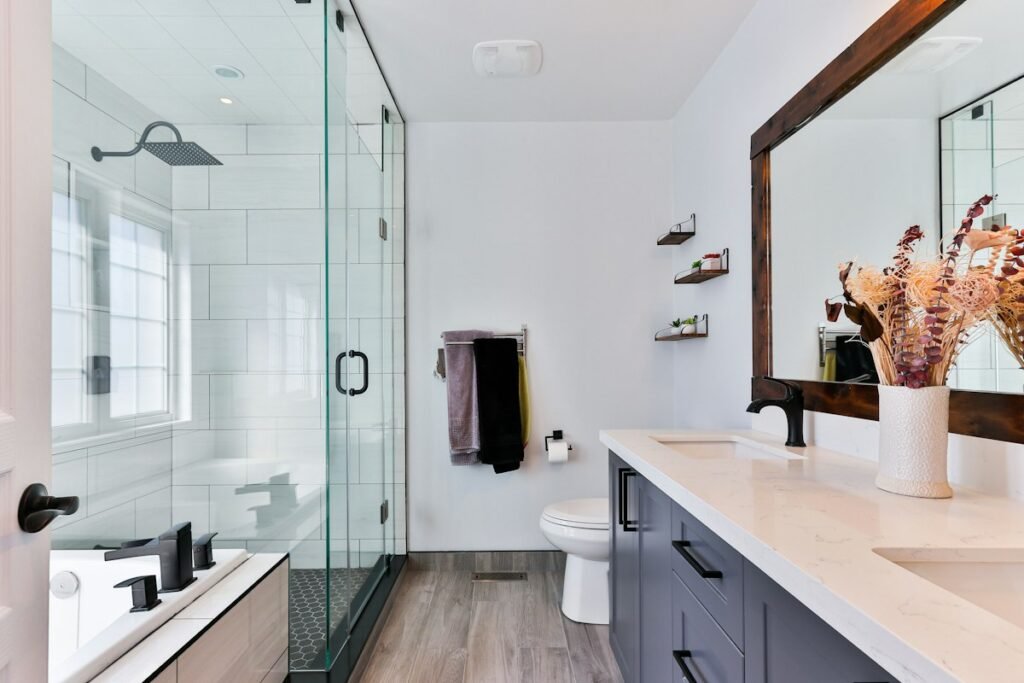
Bathrooms provide the perfect confluence of high moisture from showers, dark hiding voids beneath tubs, and abundant nourishment in the form of mould spores, skin flakes, and cellulose from toilet rolls.
Professional Silverfish Eradication in Walthamstow E17
Tired of seeing silverfish scuttling across your bathroom tiles and damaging your books or wallpaper? Our BPCA & RSPH Level 2 certified pest controllers deliver fast, targeted eradication and damp diagnostic advice across Walthamstow and East London.
We combine safe residual treatments with long-term prevention strategies to protect your home.
Contact our local desk on +44 7774 385794 or request your free quote online.